
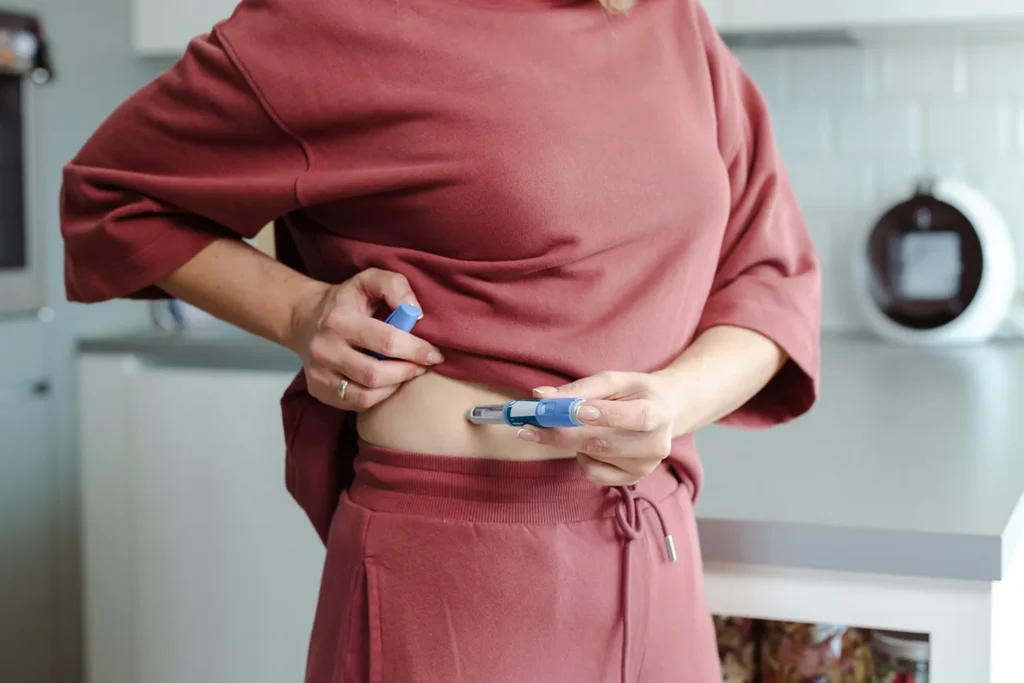
New research suggests that people who stop using weight-loss injections such as GLP-1 medications may regain weight far more quickly than those who lose weight through traditional diet and exercise. While these drugs can lead to substantial weight loss during treatment—often around 15–20% of body weight—studies indicate that weight can return rapidly once the injections are discontinued.
According to analysis published in a leading medical journal, people who stopped weight-loss injections regained close to one kilogram per month on average, meaning many returned to their pre-treatment weight within 12 to 18 months. In comparison, people who relied on lifestyle changes alone tended to lose less weight overall, but regained it much more slowly after stopping active dieting.
Researchers caution that most of the available data comes from clinical trials with limited follow-up periods, meaning long-term real-world outcomes are still being studied. Experts stress that people considering these medications should be aware that stopping treatment without ongoing lifestyle changes significantly increases the risk of rapid weight regain.
Doctors say the rebound effect may be linked to how GLP-1 drugs work in the body. By strongly suppressing appetite through hormone pathways in the brain, the medications reduce hunger signals while in use. Once treatment ends, appetite regulation can rebound sharply, particularly if patients have not developed sustainable eating and activity habits alongside the medication.
Health specialists increasingly describe obesity as a chronic condition that often requires long-term management, similar to diabetes or high blood pressure. While weight-loss injections can provide important health benefits—especially for people with obesity-related conditions—experts emphasize that ongoing medical supervision, lifestyle support, and realistic expectations are essential to maintaining long-term results in 2026 and beyond.