
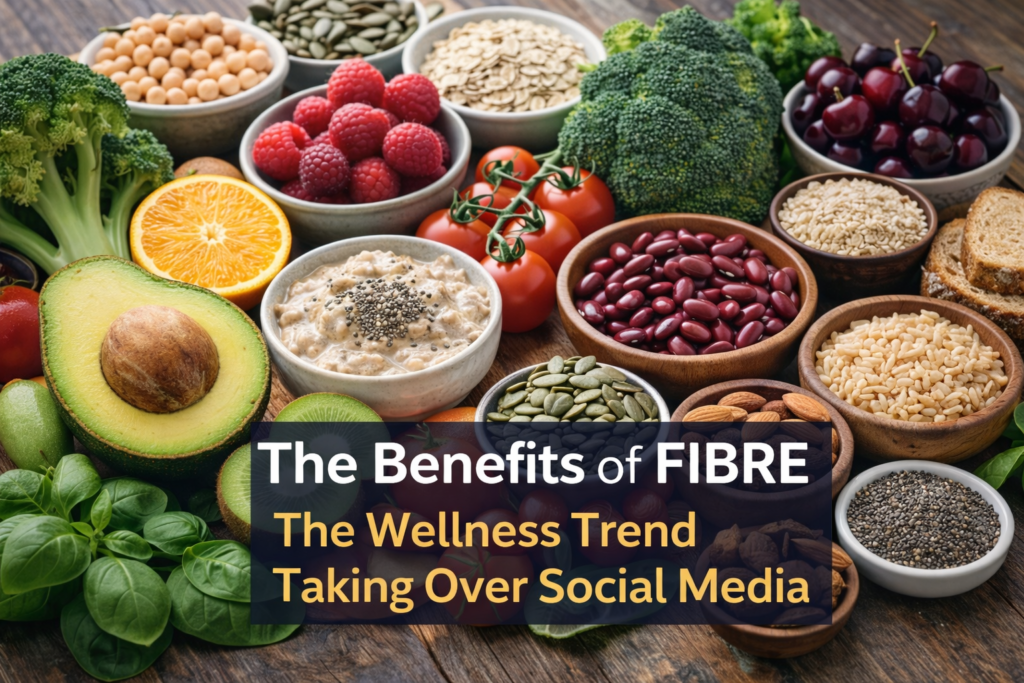
High-fibre eating has gained momentum on social platforms, with users sharing recipes that spotlight foods like chickpeas, avocado, and nuts.
After a year dominated by protein-packed diets and muscle-focused nutrition trends, fibre has emerged as the latest wellness obsession. Social media platforms are now filled with posts encouraging people to “fibre-maxx,” with creators sharing meals built around beans, seeds, whole grains, and vegetables. The shift reflects a growing awareness that fibre—long overlooked in favour of protein—plays a central role in overall health.
Despite the online buzz, most people still fall far short of recommended fibre intake. Health authorities advise adults to consume around 30 grams of fibre per day, yet the vast majority consume barely half that amount. Nutrition experts say the renewed focus on fibre is long overdue, as it supports not only digestion but also heart health, blood sugar regulation, and long-term disease prevention.
Dietitians explain that fibre has historically been viewed as an unglamorous nutrient, often associated only with bowel health. Today, that perception is changing. Research shows that people who eat more fibre tend to live longer and have lower risks of cardiovascular disease, certain cancers, and type 2 diabetes. Some studies also suggest that fibre may support mental well-being through its effects on the gut microbiome.
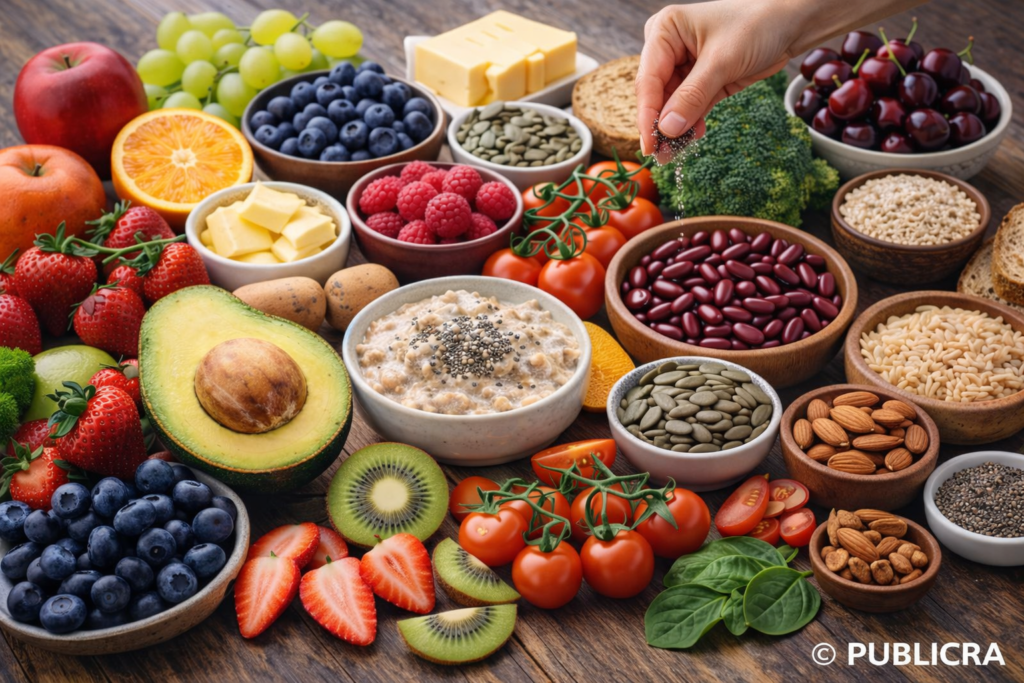
Fibre works in several ways depending on the type consumed. Fermentable fibres found in foods like oats, beans, and legumes feed beneficial gut bacteria, strengthening the microbiome. Insoluble fibres from wholegrains and vegetable skins help food move efficiently through the digestive system, while viscous fibres slow sugar absorption, helping prevent sharp blood-glucose spikes. Together, these effects contribute to a more balanced and resilient body.
For many people, increasing fibre intake has led to noticeable improvements in daily life. Individuals who have shifted away from ultra-processed foods toward whole foods often report better energy levels, improved digestion, clearer skin, and a more stable mood. Experts say these benefits are likely linked to reduced inflammation and improved gut-brain communication.
Adding more fibre doesn’t require a complete dietary overhaul. Small, consistent changes—such as choosing wholegrain bread over white, swapping refined rice for brown or mixed grains, adding seeds or fruit to breakfast, and including beans or lentils in meals—can make a significant difference. Nutritionists emphasize that variety is key, as different fibre sources provide different benefits.
While fibre is beneficial for most people, experts advise increasing intake gradually and drinking plenty of water to avoid discomfort. Some individuals with specific digestive conditions should seek medical advice before making changes. Overall, nutritionists welcome the fibre trend but encourage a balanced approach—one that prioritizes long-term health over rigid rules or dietary extremes.