
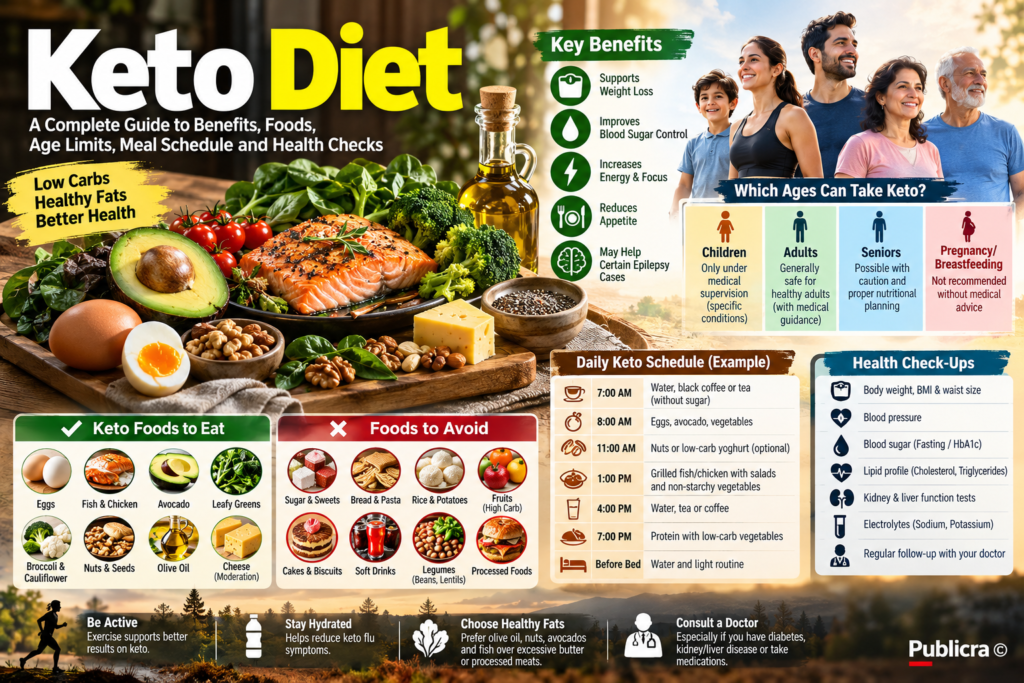
How the ketogenic diet works, who may benefit, what to eat and avoid, and the medical checks to consider before starting
The keto diet, also known as the ketogenic diet, has become one of the most widely discussed eating patterns for weight management and metabolic health. Unlike conventional diets that obtain a large proportion of daily energy from carbohydrates, keto dramatically reduces carbohydrate intake and shifts the diet towards fat while maintaining adequate protein.
This change encourages the body to use more fat-derived fuel and produce substances called ketones. The resulting metabolic state is known as nutritional ketosis. Although this process is the foundation of the ketogenic diet, successful keto eating involves considerably more than simply removing bread, rice, pasta and sugar.
The quality of the foods eaten remains important. A person could technically follow a very-low-carbohydrate diet while eating large quantities of processed meat, butter and highly processed “keto” products, but that does not necessarily create a nutritionally balanced diet.
Age, medications, medical conditions, activity levels, hydration, nutritional requirements and individual goals can all influence whether keto is appropriate. For this reason, the ketogenic diet should be viewed as a dietary strategy rather than a universal solution suitable for everyone.
WHAT EXACTLY IS THE KETO DIET?
The ketogenic diet is a very-low-carbohydrate, high-fat eating pattern that provides adequate protein. Under normal circumstances, carbohydrates from foods are broken down into glucose, which the body can readily use as an important source of energy.
When carbohydrate intake falls substantially, the body’s available glucose supply decreases. The liver then begins converting fatty acids into compounds known as ketone bodies. These ketones can be used as an alternative energy source by several tissues, including the brain.
When ketone production increases sufficiently, a person enters nutritional ketosis. Reaching this state normally requires maintaining carbohydrate restriction rather than simply avoiding sugar for a single meal or day.
Nutritional ketosis should not be confused with diabetic ketoacidosis (DKA). DKA is a dangerous medical condition involving excessive ketone production and metabolic acidosis, particularly in people with diabetes. Anyone with diabetes considering a ketogenic diet therefore requires additional precautions.
HOW MANY CARBOHYDRATES CAN YOU EAT?
There is no single carbohydrate limit appropriate for every person following keto. Many popular ketogenic programmes restrict carbohydrate intake to around 20–50 grams of net carbohydrates per day, but the exact amount needed to maintain ketosis varies.
Body size, activity level, metabolism, medications and overall health can influence how an individual responds to carbohydrate restriction. Someone who is highly active may respond differently from someone who is largely sedentary.
More restrictive therapeutic ketogenic diets are sometimes used under medical supervision for conditions such as epilepsy. These should not be confused with general low-carbohydrate weight-loss diets because therapeutic programmes may involve carefully calculated ratios of fat, protein and carbohydrate.
The objective should therefore not be to consume the smallest possible amount of carbohydrate. A good diet must still provide sufficient energy, protein, vitamins, minerals, fibre and other nutrients.
WHAT ARE THE POSSIBLE BENEFITS OF KETO?
Weight loss and weight management
Weight loss is probably the most common reason adults become interested in keto. During the first several days of carbohydrate restriction, some people notice relatively rapid changes on the weighing scale.
Part of this early change is related to water loss. The body stores carbohydrate as glycogen, and glycogen is stored together with water. As glycogen stores decline during carbohydrate restriction, some of this associated water is also lost.
Longer-term fat loss is more complicated. It depends on overall calorie intake, physical activity, appetite, metabolic factors and how consistently a person can maintain the dietary pattern.
Keto is therefore not a metabolic guarantee of weight loss. Consuming more energy than the body requires can still make weight management difficult even when carbohydrate intake is very low.
Appetite and hunger control
One reason some people find keto easier to maintain is that protein- and fat-containing meals can provide prolonged satiety. They may feel less hungry between meals and consequently reduce frequent snacking.
This can indirectly help reduce overall calorie intake. However, appetite responses vary considerably, and not everyone experiences the same reduction in hunger.
The quality of the meal also matters. A balanced meal containing protein, vegetables and appropriate fats is different from relying heavily on processed “keto snacks.”
Blood glucose
Reducing carbohydrates can significantly alter blood glucose levels because carbohydrates are a major dietary source of glucose. This is one reason low-carbohydrate approaches attract interest among people concerned about metabolic health.
However, the same effect creates an important safety consideration for people taking diabetes medicines. If carbohydrate intake falls rapidly while medication remains unchanged, blood glucose can potentially fall too low with some treatments.
Diabetes medications may therefore require adjustment under professional supervision rather than being independently stopped or reduced.
Medical use for epilepsy
The ketogenic diet has a medical history that predates its popularity as a weight-loss strategy. Carefully controlled ketogenic dietary therapy has been used to help manage certain forms of epilepsy, particularly when seizures are difficult to control with medication.
Medical ketogenic therapy is substantially different from following an online keto meal plan. Meals may be precisely calculated, and patients can require ongoing monitoring by doctors and dietitians.
This is especially important when ketogenic therapy is used in children.
WHICH AGES CAN FOLLOW A KETO DIET?
Age is an important consideration, but there is no universal age at which keto suddenly becomes safe or unsafe. The person’s nutritional requirements, health status, medications and reason for following the diet are more important than age alone.
Children
Children should not routinely be placed on a strict ketogenic diet for ordinary weight loss without medical and dietetic supervision. Childhood is a period of rapid growth, and insufficient energy, protein, vitamins or minerals could interfere with normal development.
There are legitimate medical reasons why some children may be prescribed a ketogenic diet. Certain difficult-to-control seizure disorders are among the best-known examples.
In those circumstances, keto becomes a form of medical nutritional therapy. Meals may need careful calculation, and growth, nutritional status and possible side effects should be monitored.
Teenagers
Teenagers also have substantial nutritional requirements because their bodies and brains are still developing. Extremely restrictive dieting during adolescence should therefore be approached carefully.
A teenager trying to lose weight should not automatically remove entire categories of food simply because keto is popular online. Where weight management is necessary, an appropriate healthcare professional can help determine whether a restrictive diet is justified or whether a more balanced approach would be preferable.
Adults
Healthy adults represent the largest group voluntarily following ketogenic diets. Some adults may be able to use a well-planned ketogenic diet successfully for weight management or other personal nutritional goals.
However, being an adult does not automatically mean keto is safe. Existing medical conditions, pregnancy, medications, cholesterol levels and kidney or liver health can all affect the decision.
Older adults
There is also no universal upper age limit for the ketogenic diet. Nevertheless, nutritional priorities can change considerably as people get older.
Preserving muscle mass and strength becomes particularly important. Older adults also need sufficient protein, vitamins, minerals, fluids and overall energy rather than focusing exclusively on carbohydrate restriction.
Many older people take several medications or live with diabetes, hypertension, cardiovascular disease or reduced kidney function. A restrictive ketogenic diet may therefore require more careful planning and monitoring.
WHAT FOODS CAN YOU EAT ON KETO?
A healthier ketogenic diet should be based primarily on whole or minimally processed foods. Protein remains essential and can come from foods such as fish, seafood, eggs, poultry, meat, tofu and other appropriate low-carbohydrate sources.
Non-starchy vegetables should also remain a major component of meals. Spinach, broccoli, cauliflower, cabbage, lettuce, cucumber, mushrooms, asparagus, peppers and courgette are examples of vegetables that can generally be incorporated while keeping carbohydrate intake relatively low.
Fat should not come exclusively from butter, cream or processed meat. Foods such as olive oil, avocado, nuts, seeds, olives and oily fish can provide unsaturated fats and other nutrients.
Unsweetened dairy products such as yoghurt and cheese may also fit into some ketogenic diets. Portions still matter, particularly when foods contain substantial calories or saturated fat.
Fruit becomes more complicated because many fruits naturally contain significant amounts of carbohydrate. Small portions of berries may fit into some keto plans, while larger servings of higher-carbohydrate fruits can make maintaining ketosis difficult.
WHICH FOODS ARE USUALLY LIMITED?
Sugar-rich foods are among the first items restricted on a ketogenic diet. Sweets, cakes, biscuits, desserts, sweetened drinks and other products containing large amounts of added sugar can quickly exceed a person’s daily carbohydrate target.
Traditional carbohydrate-rich staples such as bread, rice, pasta, noodles, potatoes and many breakfast cereals are also substantially reduced or eliminated in strict keto plans.
Many fruits, grains and legumes may also need to be limited because of their carbohydrate content. However, this does not mean these foods are inherently unhealthy.
Whole grains, fruits and legumes are included in many recognised healthy dietary patterns. Their restriction during keto occurs primarily because of the diet’s unusually low carbohydrate target.
This distinction is important because keto should not create the misconception that all carbohydrates are harmful.
WHAT COULD A DAILY KETO SCHEDULE LOOK LIKE?
A typical day can begin with water after waking. Unsweetened tea or coffee can also be consumed if desired. There is generally no requirement to add butter or large quantities of cream to coffee simply because someone follows keto.
Breakfast might include eggs prepared with spinach, mushrooms and other non-starchy vegetables. Avocado or a small portion of nuts could provide additional fat and nutrients.
If hunger develops before lunch, a small snack such as a boiled egg, a portion of nuts or unsweetened low-carbohydrate yoghurt may be appropriate. However, snacks are not compulsory. Someone who remains satisfied until lunch does not need to eat simply because a diet schedule specifies a snack.
Lunch can combine a protein source such as grilled fish, chicken, meat or tofu with a generous portion of salad and non-starchy vegetables. Olive oil can be incorporated into the meal or used as a salad dressing.
During the afternoon, hydration should continue. Water should normally remain the primary beverage, although unsweetened tea or coffee can be included.
Dinner can again combine adequate protein with vegetables such as broccoli, cauliflower, cabbage, mushrooms or courgette. The exact portion depends on individual calorie and protein requirements.
Late-night eating should not become a routine simply because specialised “keto snacks” are available. Hunger, overall nutrition and daily energy requirements are more important than a product’s keto label.
HYDRATION IS IMPORTANT DURING KETO
Changes in carbohydrate intake can affect the body’s water balance, particularly during the early stages of keto. This is one reason some people notice increased urination or rapid early changes in body weight.
Drinking adequate fluid is therefore important. Requirements vary according to body size, activity, climate, diet and medical conditions.
Electrolyte balance also deserves attention. However, people should avoid automatically taking large amounts of salt, potassium or electrolyte supplements without considering their health and medications.
People with kidney disease, heart disease, hypertension or other conditions requiring fluid or electrolyte restrictions should follow individual medical advice.
WHAT IS KETO FLU?
The term “keto flu” is commonly used to describe a group of symptoms that some people experience after significantly reducing carbohydrate intake.
Possible symptoms include headache, fatigue, weakness, dizziness, irritability, difficulty concentrating and constipation. Despite its name, keto flu is not an infectious illness and is unrelated to the influenza virus.
Changes in water balance, electrolyte intake, food consumption and metabolic adaptation may contribute to these symptoms.
Mild symptoms may improve as the body adjusts. However, severe dizziness, persistent vomiting, confusion, significant weakness or other worrying symptoms should not automatically be blamed on keto.
CAN KETO CAUSE CONSTIPATION?
Yes. Constipation can develop, particularly when people remove grains, fruits and legumes without replacing their usual dietary fibre.
A ketogenic diet should therefore include appropriate fibre sources. Low-carbohydrate vegetables, nuts and seeds can contribute fibre without necessarily pushing carbohydrate intake excessively high.
Adequate hydration and physical activity can also support normal bowel function.
Persistent constipation, abdominal pain, vomiting or other significant digestive symptoms should be assessed rather than repeatedly treated as a normal part of keto.
WHAT HAPPENS TO CHOLESTEROL?
Changes in cholesterol are not identical in everyone following a ketogenic diet. Some people experience reductions in triglycerides, particularly when they lose weight and reduce refined carbohydrate intake.
However, LDL cholesterol can increase in some individuals, occasionally substantially.
This is why the source of dietary fat deserves attention. A ketogenic diet dominated by butter, fatty processed meats and other sources of saturated fat is different from one that emphasises fish, olive oil, nuts, seeds and avocado.
People following keto for an extended period may therefore benefit from monitoring their lipid profile rather than assuming that weight loss automatically means every cardiovascular risk marker is improving.
KETO AND DIABETES REQUIRE EXTRA CAUTION
Diabetes is one of the situations where keto should not be approached casually.
Reducing carbohydrate intake can substantially change blood glucose levels. Someone using insulin or certain glucose-lowering medicines may therefore require changes to medication.
There is also an important distinction between nutritional ketosis and diabetic ketoacidosis.
DKA is a medical emergency. Warning symptoms can include nausea, vomiting, abdominal pain, dehydration, unusual weakness, rapid or deep breathing and changes in mental status.
Particular caution is needed for people taking SGLT2 inhibitor medicines, as very-low-carbohydrate intake, fasting, illness and dehydration can contribute to ketoacidosis risk in susceptible people.
Medication should not be stopped simply to begin keto without discussing the change with an appropriate healthcare professional.
WHAT HEALTH CHECKS SHOULD BE CONSIDERED BEFORE KETO?
There is no compulsory universal “keto blood test package” for every healthy person. However, people planning a significant long-term dietary change can discuss baseline health measurements with their healthcare professional.
Weight, BMI and waist circumference provide useful starting measurements for people using keto for weight management. Blood pressure can also be checked, particularly in people with cardiovascular risk or known hypertension.
A fasting blood glucose and HbA1c may be useful when diabetes or prediabetes is a concern. HbA1c provides information about average blood glucose over the preceding months rather than only the glucose level at one moment.
A lipid profile can measure total cholesterol, LDL cholesterol, HDL cholesterol and triglycerides. Having baseline results makes it easier to determine whether a major dietary change has improved or worsened these markers.
Depending on medical history, clinicians may also consider kidney function tests, including creatinine and estimated glomerular filtration rate, and liver function tests.
Electrolytes such as sodium and potassium may be assessed when clinically appropriate, particularly when medications or medical conditions can affect electrolyte balance.
Additional testing should be individualised rather than performed simply because a person has decided to eat fewer carbohydrates.
HOW OFTEN SHOULD YOU HAVE A CHECK-UP?
There is no single follow-up schedule appropriate for everybody.
A healthy adult using keto for weight loss may require less intensive monitoring than someone with diabetes, hypertension, kidney disease or abnormal cholesterol.
For someone planning to remain on a strict ketogenic diet for several months, it can be sensible to review progress with a healthcare professional and determine whether repeat blood glucose, lipid, kidney or liver tests are appropriate.
Monitoring should not focus only on kilograms or pounds lost. Energy levels, strength, blood pressure, glucose control, cholesterol, digestive health and overall nutritional quality can be equally important.
HOW LONG CAN YOU FOLLOW KETO?
There is no scientifically established maximum duration that applies to every person.
Some people use keto for several weeks or months as part of a structured weight-management programme before gradually increasing healthy carbohydrate sources. Others maintain a lower-carbohydrate dietary pattern for much longer.
Therapeutic ketogenic diets prescribed for medical conditions follow different protocols and may be continued for extended periods under specialist supervision.
For general weight management, the critical question is sustainability. A very restrictive diet may produce impressive short-term results but provide little long-term benefit if the person cannot maintain it and rapidly returns to previous eating habits.
EXERCISE WHILE FOLLOWING KETO
Physical activity remains important regardless of the dietary pattern being followed.
Aerobic exercise can support cardiovascular health, while resistance training helps maintain muscle and strength. Preserving muscle becomes particularly important during weight loss because the goal should generally be to reduce excess body fat while minimising unnecessary muscle loss.
Some people notice reduced exercise capacity when first adapting to severe carbohydrate restriction, especially during high-intensity activity.
Adequate energy, protein, hydration and recovery should therefore remain part of the overall plan rather than focusing exclusively on achieving ketosis.
COMMON MISTAKES PEOPLE MAKE ON KETO
One of the biggest mistakes is believing that “low carbohydrate” automatically means “healthy.” A diet can remain extremely low in carbohydrates while still containing excessive processed food, saturated fat or insufficient fibre and micronutrients.
Another common mistake is eating too few vegetables. Removing bread, grains, legumes and many fruits while also consuming minimal vegetables can make the diet unnecessarily restrictive.
Some people also become excessively focused on ketone readings. Higher ketone levels do not automatically mean faster or healthier weight loss.
The purpose of dietary change should be improved health, appropriate body composition and sustainable eating—not simply producing the highest possible ketone reading.
IS KETO BETTER THAN OTHER DIETS?
There is no single dietary approach that is best for everyone.
Some people find keto effective because it reduces hunger and gives them clear rules about which foods to eat. Others find severe carbohydrate restriction difficult to maintain socially or practically.
Alternative approaches can also support weight management and metabolic health without requiring nutritional ketosis.
The best long-term dietary pattern should take into account the individual’s health, nutritional requirements, food preferences, activity level, lifestyle and ability to maintain the changes.
THE BOTTOM LINE
The keto diet can be an effective dietary strategy for some people, but it is not a universal solution for weight loss or better health.
A properly planned ketogenic diet should contain adequate protein, plenty of suitable vegetables, appropriate fibre and nutrient-rich sources of fat. It should not simply revolve around meat, cheese, butter and processed foods.
Healthy adults may be able to follow keto successfully when it is properly planned. Children and teenagers require greater caution because of growth and developmental needs, while older adults should pay particular attention to muscle preservation, protein, hydration and overall nutrition.
People with diabetes, kidney or liver disease, significant cholesterol problems or other chronic conditions should seek individual medical advice. Pregnancy, breastfeeding and medications that interact with major dietary changes also require additional consideration.
Most importantly, weight loss should not be the only measurement of success. Blood pressure, blood glucose, cholesterol, strength, nutritional adequacy, energy levels and the ability to maintain the eating pattern all contribute to the bigger picture.
The real question is therefore not simply, “Will keto help me lose weight?”
It is also: “Is this eating pattern safe, nutritionally balanced and sustainable for my body and my long-term health?”